Creating a Household Culture of Stewardship



LifeSkills Academy Blog
Check back often to find interesting information and updates.
Creating a Household Culture of Stewardship
Small Conversations Shape Long-Term Stability
Household culture rarely changes through one large moment.
More often, it changes quietly.
- Through repeated conversations.
- Through daily habits.
- Through tone.
- Through planning.
- Through the way people respond to pressure, uncertainty, and one another over time.
Throughout June, we’ve explored:
- financial communication
- building trust
- transparency
- the impact of generational influence
- calm planning rhythms
Taken separately, each of these matters. But together, they shape something larger:
the atmosphere we live inside of every day.
Stewardship Is Often Learned Indirectly
Many of us grew up learning about money without formal teaching. We learned through:
- stress levels
- tone of voice
- avoidance
- openness
- generosity
- preparation
- conflict
- or calmness
Households constantly communicate values — even silently.
That means stewardship is not only formed through financial systems. It is formed through repeated experiences.
Over time, those experiences shaped our:
- confidence
- security
- communication habits
- decision-making
- emotional responses to money itself.
Small Conversations Create Long-Term Stability

It is easy to underestimate the power of small moments.
A calm response instead of criticism.
An honest conversation instead of avoidance.
A simple weekly check-in instead of waiting for pressure to build.
These moments may not feel dramatic. But repeated over time, they create steadiness.
And steadiness creates trust.
Many households discover that healthier communication gradually changes more than finances.
It changes the emotional atmosphere of the home itself.
Growth Often Happens Quietly
One of the challenges of personal growth is that progress is not always obvious while it is happening.
But over time, others begin to notice:
- conversations feel calmer
- less energy goes toward avoidance
- planning feels less intimidating
- decisions become clearer
- emotional reactions soften
- communication becomes more respectful
- financial topics carry less fear
These changes matter.
Not because everything becomes perfect — but because
awareness creates room for wisdom to grow.
Household Culture Is Built Through Repetition
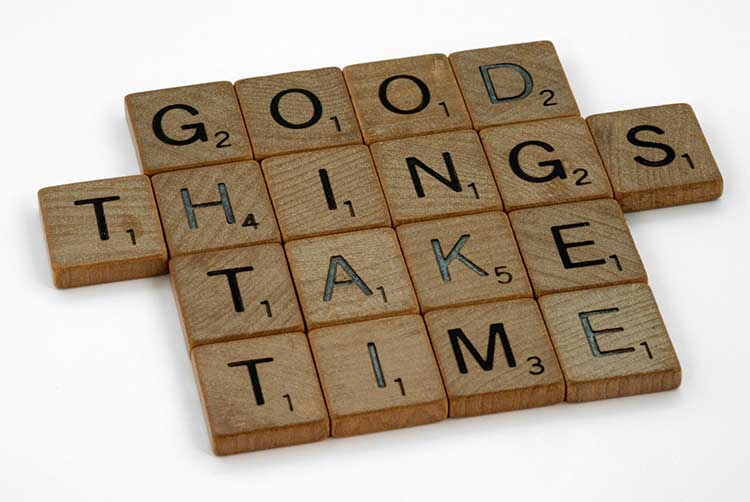
What households repeatedly practice often becomes normal.
- Regular communication.
- Gentle honesty.
- Shared awareness.
- Compassion.
- Preparation.
- Respectful disagreement.
- Steady rhythms.
These patterns quietly shape how we experience:
- Money
- Relationships
- Security
- Stewardship itself.
Children absorb these rhythms. Adults respond to these rhythms.
And over time, households become steadier because of them.
A Simple Reflection Before July
As June closes, consider:
- What financial conversation feels easier than it once did?
- What habit or rhythm has helped most?
- What atmosphere are we creating around money?
- What would we like future generations to experience differently?
Growth is often easier to recognize when we pause long enough to reflect on it.
Faith Reflection
Scripture consistently presents wisdom as something built patiently over time.
“Good homes are built on wisdom…” (Proverbs 24:3)
Stewardship grows through repeated choices:
- Honesty
- Gentleness
- Preparation
- Communication
- Steady care for what has been entrusted to us.
Strong households are rarely formed all at once. They are formed gradually — one wise conversation at a time.
Looking Ahead
In July, we’ll begin exploring how financial confidence grows through wise preparation, calm negotiation, and learning how to advocate clearly for what matters most without fear or pressure.
Negotiation is often misunderstood as conflict or persuasion.
But many of life’s most important negotiation skills are first learned through everyday household conversations:
- Listening
- Problem-solving
- Timing
- Respectful disagreement
- Learning how to ask clearly and calmly for what is needed.
Negotiation skills shape far more than financial decisions.
They help children, teens, and adults grow in confidence, healthy communication, and wise decision-making throughout life.
Stewardship is not only about understanding money. It is also about learning how to navigate life with clarity, wisdom, and steadiness.
If you're interested in staying informed about LifeSkills Academy’s classes, valuable life skills content, and updates, we encourage you to sign up for our newsletters and class notices. Join us on the journey of continuous learning and personal growth. Together, let's build a foundation for success in life and our world.
Most Recent Posts ...

Posted on: 10/19/2026

Posted on: 10/12/2026

Posted on: 10/5/2026

Posted on: 9/28/2026
Search All Blog Posts
Blog Post Archive Categories
- You're Not Where You Were in January
- Teaching Financial Awareness to Children & Young Adults
- Transparency, Trust & Shared Responsibility
- Are You Covered for the Life You`re Actually Living?
- What Financial Advisors Actually Do
- You Are Not Meant to Figure Out Finances Alone
- Halloween Etiquette: Teaching Respect and Community Spirit
- Words of Wisdom: Traveling 2024
- Thankful Thursdays
- My interview with Dennis Pearce