Negotiations - The Courage to Ask Clearly



LifeSkills Academy Blog
Check back often to find interesting information and updates.
Negotiations - The Courage to Ask Clearly
Everyday Advocacy
Blog Series – Week 2 of 9: Personal Negotiations
Most of us know what we need. The harder part is asking for it.
Not because we lack the words — but because asking feels like exposure. We worry about being seen as demanding, ungrateful, or difficult. So instead, we quietly overextend. We accept vague expectations. We carry silent frustration far longer than we should. And sometimes, we wait until the tension finally spills over in ways we later regret.
But here’s what’s worth remembering: asking clearly isn’t a character flaw. It’s a life skill — and one of the most respectful things we can offer in any relationship.

Healthy Communication Lives in the Middle
Most of us were never formally taught how to navigate important conversations. Some of us learned early that staying quiet kept the peace. Others learned that intensity was the only thing that got results. Over time, many of us swing between those two extremes — over-accommodating until we can’t anymore, then overreacting when we finally do speak up.
Healthy communication develops somewhere in the middle: honest without being harsh, direct without being demanding, and calm enough to keep the relationship intact. That kind of communication doesn’t just resolve tension — it builds the kind of trust that makes future conversations easier.
Asking Questions Is a Sign of Wisdom
There’s a quiet cultural pressure that says we should already know everything before we open our mouths. Asking questions, the thinking goes, signals weakness or unpreparedness.
But wisdom actually works in reverse. The wisest people in any room are typically the ones asking the most thoughtful questions — because they understand that clarity prevents misunderstanding, and that seeking input before making assumptions is far more effective than fixing problems after the fact.
“If you don’t ask for advice, your plans will fail.
With many advisors, they will succeed.” — Proverbs 15:22
Seeking understanding isn’t inadequacy. It’s good judgment.
At Work, Clarity Is a Professional Strength
Workplace negotiation often is framed as salary conversations or contract disputes — high-stakes moments most of us rarely face. But the everyday version shows up far more often: unclear responsibilities, shifting priorities, unrealistic timelines, or uncertainty about what success actually looks like in a role.
These conversations feel risky because we don’t want to appear difficult or ungrateful. But left unaddressed, that lack of clarity tends to create exactly the friction we were trying to avoid.
A few well-timed questions can change the entire dynamic:
- Can we clarify expectations for this role?
- What would success look like here?
- Could we revisit the timeline for this project?
- I’d like to discuss priorities so I can manage this effectively.
These aren’t complaints. They’re professional tools. And the person who asks them calmly and early is usually the one who performs — and is perceived — most effectively.
“Wise people always think before they speak,
so what they say is worth listening to.” — Proverbs 16:23
Calm confidence is quieter than many people expect. And it’s often far more effective.
Life at Home Requires These Skills Too

The same principles apply around the dinner table, in shared living spaces, and in the daily negotiations of family life — household responsibilities, financial decisions, time commitments, and the naturally shifting expectations that come with any close relationship.
Many of us avoid these conversations at home for the same reasons we avoid them at work: we don’t want to seem ungrateful, create conflict, or appear demanding. But the conversations we avoid don’t disappear. They accumulate. And unspoken expectations are one of the most reliable sources of resentment in long-term relationships.
Asking clearly — with calm care and genuine curiosity —
is one of the most relationship-strengthening habits we can develop.
What We Model, They Learn
Young people watch how the adults around them handle hard conversations. When they see someone ask a question respectfully, navigate a disagreement without shutting down or blowing up, or advocate for themselves with confidence and composure — they’re taking notes.
Many young adults enter their first jobs and college experiences without any real preparation for these moments. They don’t know how to talk with a supervisor, clarify an expectation, or communicate a concern without it feeling like confrontation. These aren’t minor gaps. They affect first impressions, professional development, and how effectively young people can participate in the teams and communities they join.
What we model at home is some of the most powerful instruction
they’ll ever receive — and it costs nothing but intentionality.
The Goal Is Collaboration, Not Control
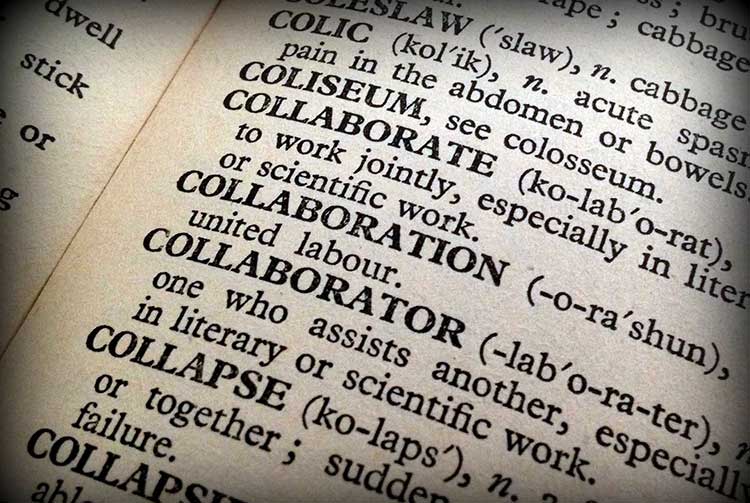
At its best, healthy negotiation isn’t about winning. It’s about participating — responsibly, respectfully, and with a genuine interest in outcomes that work for everyone involved.
When people feel heard, respected, and informed, they show up differently. They trust more. They resent less. And they bring more of themselves to shared work and shared life.
Learning to ask clearly is, in many ways, learning to live well with others. And in a world increasingly shaped by urgency, misunderstanding, and noise, that skill may be one of the most quietly powerful things we can cultivate.
Coming Up Next Week
This time of year brings a natural wave of negotiations — summer services, travel plans, contractor quotes, and all the decisions that come with the season. If you’re active on platforms like NextDoor, you’ve probably already seen the reviews that separate the contractors worth calling from those worth avoiding.
Next week, we’re focusing on how to negotiate everyday costs for better results — and making that part of your summer a little more confident and a lot more rewarding. We’ll see you then.
We invite you to join our community of continuous learners. Sign up for newsletters and class notices to stay informed about valuable life skills. Together, let's build a foundation for success in our lives and our world.
Most Recent Posts ...

Posted on: 9/7/2026

Posted on: 8/31/2026

Posted on: 8/24/2026

Posted on: 8/17/2026
Search All Blog Posts
Blog Post Archive Categories
- You're Not Where You Were in January
- Teaching Financial Awareness to Children & Young Adults
- Transparency, Trust & Shared Responsibility
- Negotiating Your Workload
- Team Negotiation
- Negotiating Your Value at Work
- Halloween Etiquette: Teaching Respect and Community Spirit
- Words of Wisdom: Traveling 2024
- Thankful Thursdays
- My interview with Dennis Pearce