You're Not Where You Were in January



LifeSkills Academy Blog
Check back often to find interesting information and updates.
You're Not Where You Were in January
September has a way of getting our attention.
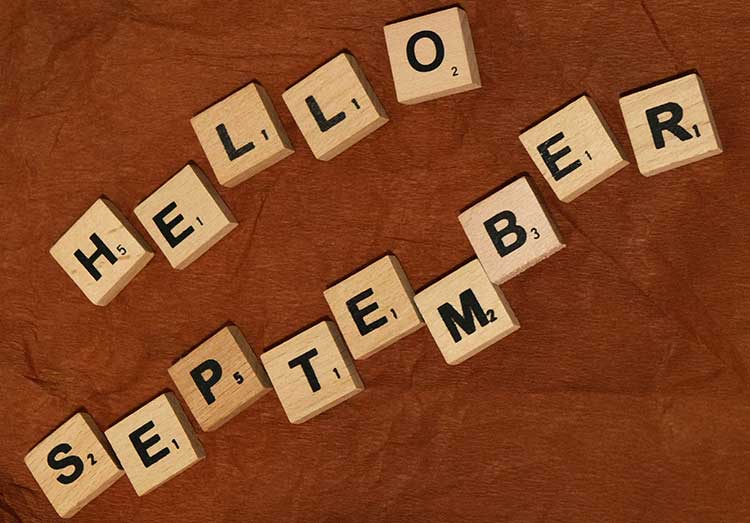
New routines begin. Schedules shift. Headlines compete for our focus. And suddenly, four months of the year remain.
It can be tempting to pull out the goals and expectations we started with in January and immediately measure what hasn't been finished. But before deciding what deserves your attention next, consider something easily overlooked:
You're not the same person who made those January plans.
Since then, you've made decisions, navigated surprises, solved problems, changed course, learned from mistakes and discovered things you couldn't have known eight months ago.
So perhaps the better September question isn't simply, How much have I accomplished? Instead …
What have I become more capable of doing?

Look at What You've Learned
Maybe you've learned to prepare before an important conversation rather than hoping you'll find the right words in the moment.
Perhaps pausing before a purchase improved a financial decision. Or you've gotten better at asking questions, setting a boundary, organizing before something becomes urgent or asking for help sooner.
Those may look like small adjustments. They're evidence.
But recognizing what we've learned is only the beginning.
What are you doing with it?
From Knowing to Becoming Capable
Knowing something and knowing how to use it aren't quite the same thing.
- Knowledge says: I understand this.
- Capability says: I can use what I understand.
- Wisdom says: I recognize when and how to use it well.
That's how learning begins becoming a Life Skill.
We notice what experience has taught us. We try it again. We pay attention to the result. We adjust what doesn't work and strengthen what does.
It's not about endlessly analyzing ourselves. It's about becoming more skillful with what proves sound.
And greater capability matters most when we give it somewhere to go.
Run a LifeSkills Field Test
Here's a practical September experiment:
Choose one thing you've learned this year and deliberately put it to work.
- Maybe asking one more question helped you make a better decision. Try it again.
- Perhaps preparing before a difficult conversation made it calmer and clearer. Prepare again.
- Maybe waiting before an unplanned purchase helped you distinguish what you wanted from what you needed. Test the pause again.
Then notice the result. Did it work? Partly work? What would make it more effective next time?
If it didn't work, that's useful information too. Adjust and try again.
A result doesn't have to be perfect to be useful. It has to teach you something.
Don't Leave a Good Skill Where You Found It
Suppose asking better questions improved a workplace negotiation. Does that skill belong only at work?
Could those same questions improve a conversation with your teenager, doctor, partner or financial advisor?
Maybe financial stewardship taught you to pause before deciding. Could that pause help when emotions are high?
Perhaps preparing your workweek reduces stress. Could preparation create more peace elsewhere at home?
Once something works, don't leave it where you found it.
Try it somewhere else. Adjust it. See what happens. Every successful transfer expands what we're capable of doing.
Mature Life Skills don't remain isolated techniques.
They become ways of operating.
What Are You Doing With What You Already Have?
Jesus' Parable of the Talents in Matthew 25:14–30 offers an interesting lens.
Each servant was entrusted with something to care for—and was responsible for what he did with it.
We often think about stewardship in terms of money, possessions or opportunities. But what about wisdom we've gained, judgment we've strengthened, abilities we've developed, and what experience has taught us? Those are resources too.
What if some of what you're praying for next begins with recognizing what He has already placed in your hands? Maybe part of what you need for your next step has already been developing. What will you do with it?
Make Room for What Has Grown
Isaiah 54:2–3 offers another wonderful picture: enlarge the tent, strengthen it and prepare room for growth.
Perhaps your January “tent” reflected what you knew then—the experience you had, skills you trusted and challenges you'd already navigated. But you've lived eight more months since then.
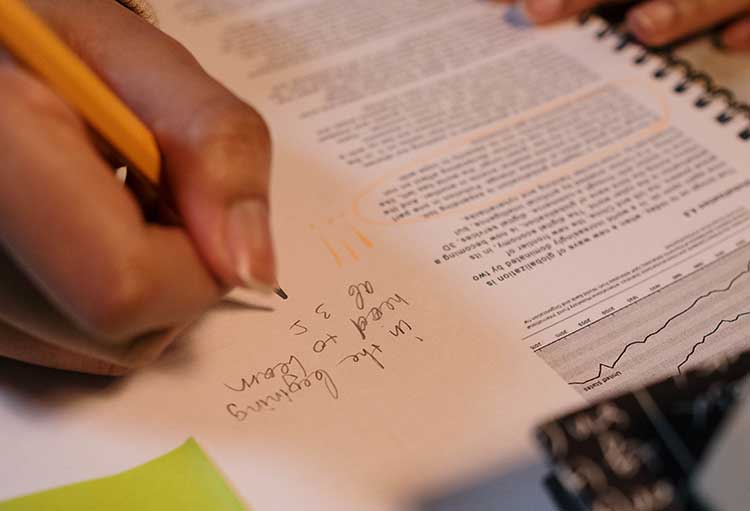
If your capability has expanded, why continue operating from an old assessment of yourself? Ask:
- What do I have now that I didn't have in January?
- What can I actualize more fully?
- What does my increased capability now allow me to step up to?
This isn't about chasing another achievement. It's recognizing growth and making room to use it.
Start With What Is Already in Your Hands
You don't need another lengthy self-improvement project.
- NOTICE — What have I learned or strengthened?
- USE — Where can I deliberately put it to work?
- EXPAND — If it proves useful, where else might it serve me?
That's how individual Life Skills begin working together.
And when children, coworkers, friends and family see us learning, testing, adjusting and trying again, we model something valuable:
Capable people don't have to know everything. They know how to keep learning from what they already know.
You're Not Starting From Zero
‘January-You’ couldn't have known everything this year would teach you. ‘September-You’ has something ‘January-You’ didn't: Evidence.
So don't enter the next four months assessing yourself with an old inventory—or waiting for everything around you to settle before putting what you've learned to work. Measure what you've become more capable of doing.
Recognize what's already in your hands. Use it. Strengthen it. Consider what your increased capability now allows you to step up to.
You have more to work with than you did in January. Perhaps it's time to make room for what you can do with it.
Recognizing what you've learned is a powerful beginning. But growth also requires knowing which ideas, information and assumptions are sound enough to build upon.
Join us NEXT WEEK as we dive deeper into “What should I trust?”
We invite you to sign up for our newsletters and class notices to stay informed about valuable life skills content and updates. Join us on the journey of continuous learning and personal growth. Let's build a foundation for success in life and our world together.
Most Recent Posts ...

Posted on: 8/31/2026

Posted on: 8/24/2026

Posted on: 8/17/2026
Posted on: 8/10/2026
Search All Blog Posts
Blog Post Archive Categories
- You're Not Where You Were in January
- Teaching Financial Awareness to Children & Young Adults
- Transparency, Trust & Shared Responsibility
- Negotiating Your Workload
- Team Negotiation
- Negotiating Your Value at Work
- Halloween Etiquette: Teaching Respect and Community Spirit
- Words of Wisdom: Traveling 2024
- Thankful Thursdays
- My interview with Dennis Pearce