Negotiating Life Transitions



LifeSkills Academy Blog
Check back often to find interesting information and updates.
Negotiating Life Transitions
Finding Your Footing When Everything Is Changing
Blog Series – Week 5 of 9: Personal Negotiation
Life has a way of changing the terms of an agreement when we least expect it.

A new job requires a move across the country. A child leaves for college. A parent suddenly needs more care. A business opportunity appears — or disappears. A long held plan no longer fits the season you’re in. Even positive transitions can unsettle us as familiar routines, expectations, and responsibilities shift beneath our feet.
Most of us think of negotiation as something that happens across a table — one person asks, another responds, terms are discussed, agreements are reached.
But some of life’s most important negotiations happen within us.
Transitions invite us to renegotiate our expectations, priorities, resources, commitments, and sometimes even our identity. The challenge is not simply adapting to change — it’s doing so thoughtfully rather than reactively.
The most successful transitions rarely come from having all the answers. They come from asking better questions.
Life transitions are often negotiations between what was, what is, and what could be.
Understanding the Hidden Negotiation
When circumstances shift, our attention often jumps to the visible details:
- Where will we live? • How much will this cost? • What needs to happen next?
These questions matter — but they’re only the surface.
Beneath the logistics are competing priorities. We may be balancing financial realities against personal desires. We may be weighing family responsibilities against career opportunities. We may be deciding whether to preserve comfort or pursue growth.
Every transition asks us to evaluate what matters most in this season.
Rather than viewing change as something happening to us, we can view it as an invitation to thoughtfully reassess our commitments and direction.
Negotiating Expectations
One of the most overlooked aspects of major life transitions is the role of expectations.
Often, the hardest part of change isn’t the change itself — it’s the gap between what we imagined and what actually unfolds.
A new job may not feel exactly as anticipated. Retirement may require more adjustment than expected. A growing family may bring both joy and new pressures.
When expectations remain unexamined, disappointment quietly takes root.
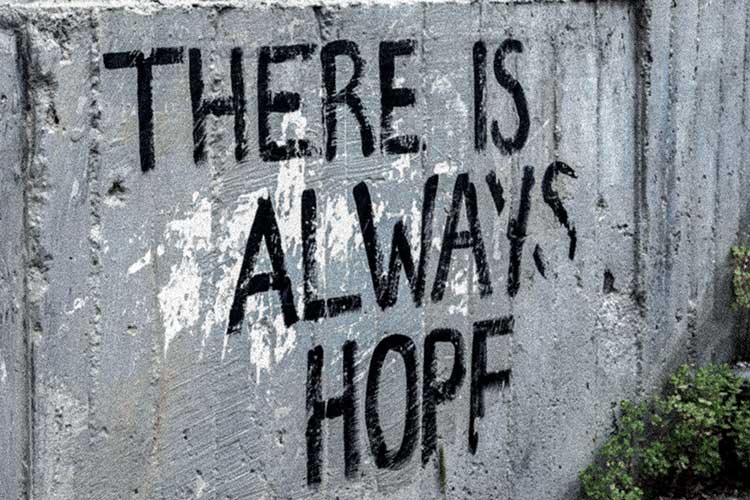
Healthy negotiation during transitions requires flexibility. It allows us to acknowledge reality without abandoning hope. We can hold our plans loosely enough to adjust when circumstances shift while still moving toward meaningful goals.
Identifying What Is Non Negotiable
During times of change, not everything deserves equal weight.
This is where personal values become essential.
Ask yourself:
- What responsibilities must be protected?
- What relationships require special attention?
- What commitments align with my priorities?
- What can be adjusted, delayed, delegated, or released?
Transitions often reveal the difference between preferences and priorities.
The clearer we become about our non negotiables, the easier it becomes to make wise decisions amid uncertainty.
Transitions Are Not Just For Adults

Children and teens experience transitions too — new school years, changing friendships, family moves, shifting schedules, and growing responsibilities. Even when adults feel confident about the path ahead, young people may feel the tremors of change.
Yet they often approach transitions differently. While they may have concerns, they are also naturally curious about what comes next. A new neighborhood feels like an adventure. A different school brings new friends. A family move creates opportunities to discover experiences they’ve never had before.
Adults can help children navigate transitions by acknowledging uncertainty while preserving a sense of discovery. When adults communicate challenges openly and demonstrate flexibility without panic, children learn that change can be managed thoughtfully — and even embraced.
One of the greatest gifts we can offer the next generation is not having all the answers, but modeling how to approach uncertainty with patience, problem solving, trust, and a sense of adventure.
A Quiet Anchor
Major transitions often remind us how little we truly control. Yet they also remind us that wisdom grows when we seek guidance rather than relying solely on our own understanding.
As Proverbs 3:5–6 encourages:
“Trust in the Lord with all your heart and lean not on your own understanding; in all your ways submit to Him, and He will make your paths straight.”
Faith does not remove uncertainty. It provides stability while we walk through it.
Reflection
Take a moment and breathe.
Where in your life do you sense a shift beginning — or already underway? What part of your world feels like it’s asking for a fresh conversation, a gentle renegotiation, or a new way of seeing?
You are not expected to have clarity immediately. Every transition — big or small — invites us to pause, listen, and move with intention.
At LifeSkills Academy, we teach a principle that becomes especially powerful during seasons of change:
Stewardship helps us evaluate the path wisely. Adventure helps us walk it courageously.
Too much stewardship without adventure can make us overly cautious. Too much adventure without stewardship can make us reckless.
Healthy transitions need both.
As you navigate your own transition, find clarity where you need it, courage where it matters, and peace in the steps you take.
This is how we ‘Master the Game of Life’ — not by controlling every outcome, but by learning to negotiate each season with wisdom, steadiness, and grace.
Looking Forward
Not every situation requires more effort, more discussion, or more compromise. Next week, we’ll explore a skill that may be even more important than knowing how to negotiate effectively: knowing when it is wise to stop negotiating altogether. Sometimes wisdom is found in recognizing when a mutual agreement does not exist, when needs no longer align, and when choosing a different path forward honors everyone involved.
We invite you to join our community of continuous learners. Sign up for newsletters and class notices to stay informed about valuable life skills. Together, let's build a foundation for success in our lives and our world.
Most Recent Posts ...
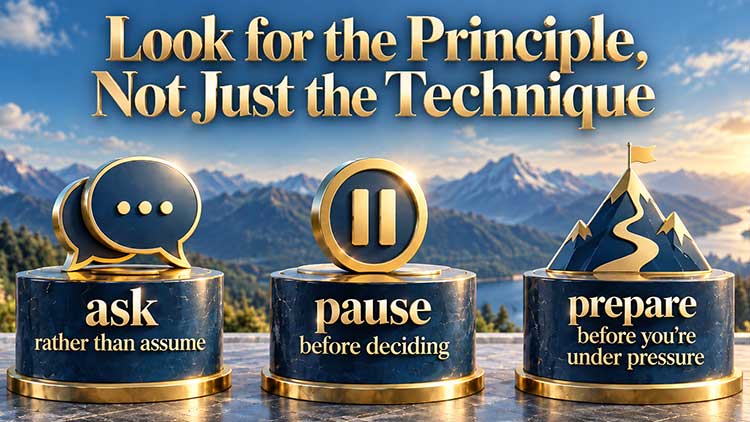
Posted on: 9/21/2026
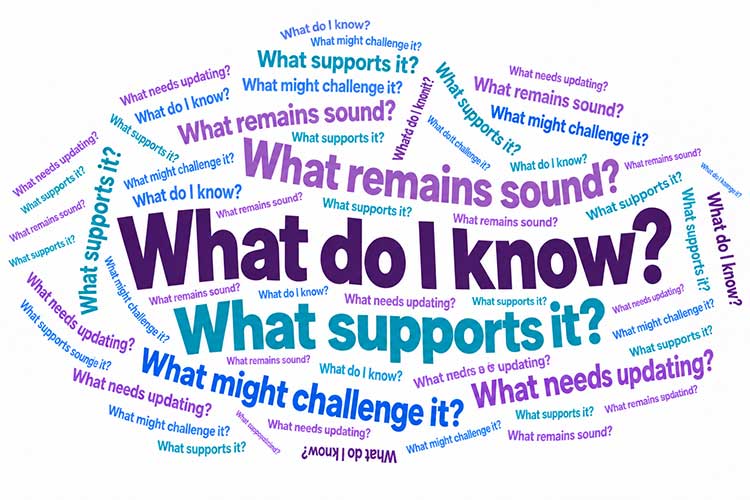
Posted on: 9/14/2026

Posted on: 9/7/2026

Posted on: 8/31/2026
Search All Blog Posts
Blog Post Archive Categories
- You're Not Where You Were in January
- Teaching Financial Awareness to Children & Young Adults
- Transparency, Trust & Shared Responsibility
- Where Does This Belong?
- What Should I Believe?
- Negotiating Your Workload
- Halloween Etiquette: Teaching Respect and Community Spirit
- Words of Wisdom: Traveling 2024
- Thankful Thursdays
- My interview with Dennis Pearce